
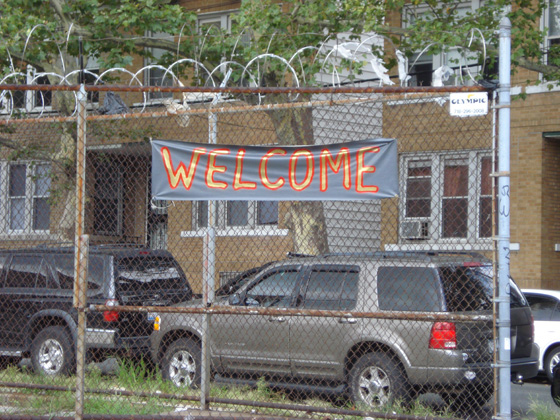
Welcome to Ridgewood, Queens
[Editors note: Jennifer Sullivan is an interdisciplinary artist who works in video, performance, painting, installation and projects that combine all of these elements. Born in Albany, NY, Sullivan currently lives and works in Ridgewood, NY. She has exhibited widely, at venues such as The Kitchen, PS1 Contemporary Art Center, NADA, Klaus von Nichtsaggend Gallery, and the New Museum in New York, and at Raid Projects, and Telic Arts Exchange in Los Angeles. This fall, she will be an artist is residence at Yaddo in Saratoga Springs, NY]
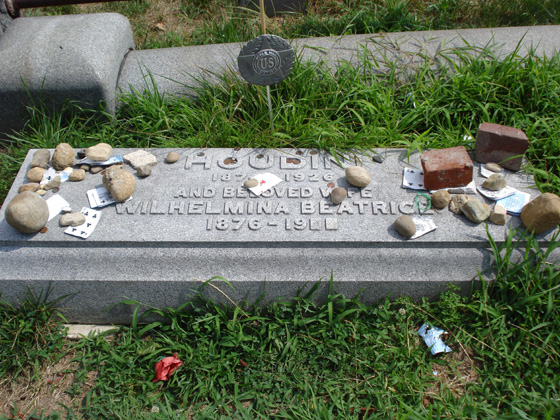
Houdini's Grave, Machpelah Cemetery -- Ridgewood's most glamorous monument
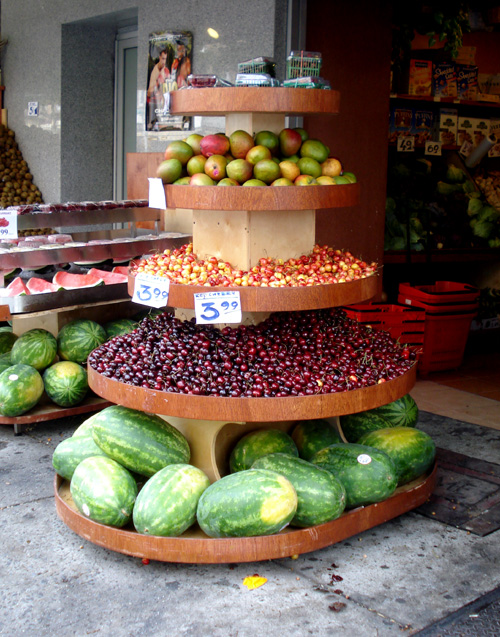
The Fruit Fountain Monument, located outside of Rachel's Garden, the new 24-hour market in town.
Today our unsophisticated cameras record in their own way our hastily assembled and painted world. — Vladimir Nabokov
I really feel sorry for people who think things like soap dishes or mirrors or Coke bottles are ugly. Because they’re surrounded by things like that all day long, and it must make them miserable. — Robert Rauschenberg
This February, I moved to Ridgewood, Queens, the second to last stop on the M train. Seven months later it’s still strange territory to me, but I am growing to like it. I began photographing my neighborhood a couple of weeks after moving into my apartment. I like to half-heartedly pretend I am a tourist visiting a new country, as I document the sights I encounter around town, an attempt to romanticize my feelings of isolation. Ridgewood is filled with many modest, yet idiosyncratic markers and moments. It’s a land of hand drawn signage, tchotckes, lawn ornaments, plentiful dollar stores, Persian cucumbers, and old polish ladies. The photographs I’ve posted here from my staycation travelogue are also in part an homage to A Tour of the Monuments of Passaic, Robert Smithson’s 1967 conceptual art odyssey to suburban New Jersey.
Smithson’s Monuments essay is inspiring for its use of a simple personal experience as a catalyst for altering one’s perception of the world. It is both resigned and hopeful — an attempt to embrace things as they are. In the essay, Smithson snapped dreary photographs of industrial markers and renamed them as monuments. Sparked by the term, through imagination they are transformed, yet stay themselves, as ordinary and unremarkable as ever. It is really an invitation to accept things as they are. And though there is irony to it, Smithson’s work has always felt like a hopeful gesture to me. It gives me a sense that anything is possible if one decides it to be and points to the choice we have in determining how we respond to our surroundings and our lives.
My friend told me he likes my neighborhood because it is so boring and normal. After having lived closer to Manhattan, it feels exotic to live in such an ordinary and unpretentious place. I never thought I would want to move to a place like Ridgewood, though now I consider myself to be a self-appointed artist in residence and volunteer ambassador. My photographs of the Ridgewood monuments document the details of my neighborhood and within it, the objects of my attention.
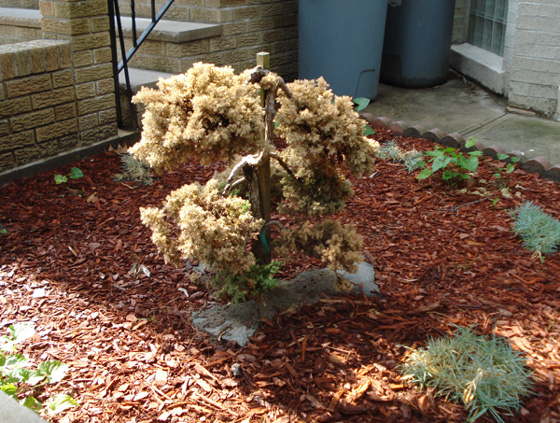
The bushy Brown Bonsai Monument
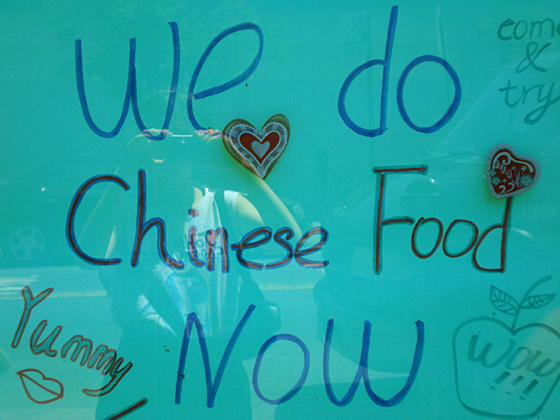
We Do Chinese Food Now (Wow) Monument. This monument hangs in the window of a sushi restaurant.
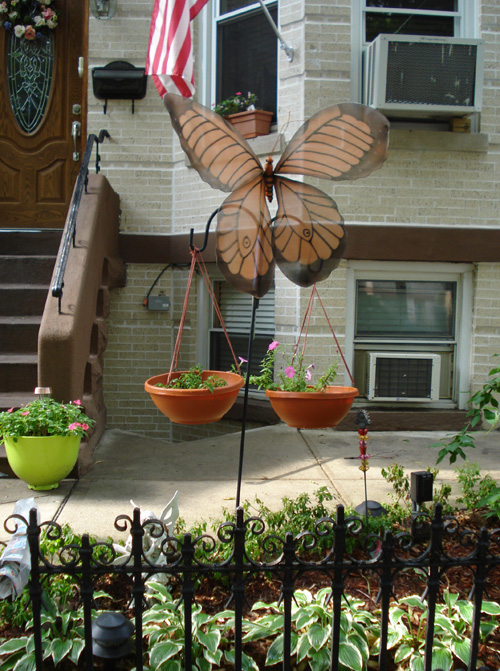
The majestic Monarch Monument. Her two equally weighted flower pots stand for justice and the aesthetic equality of all things.
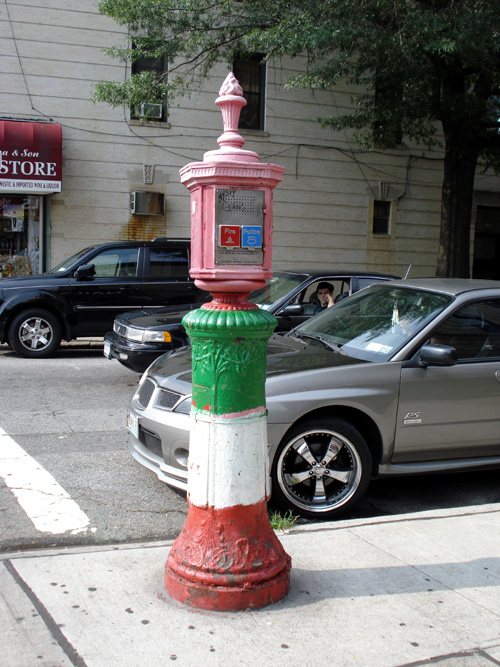
The Neopolitan Monument. Named for its layered colors and for the ornamentation on top which resembles an ice cream sundae.
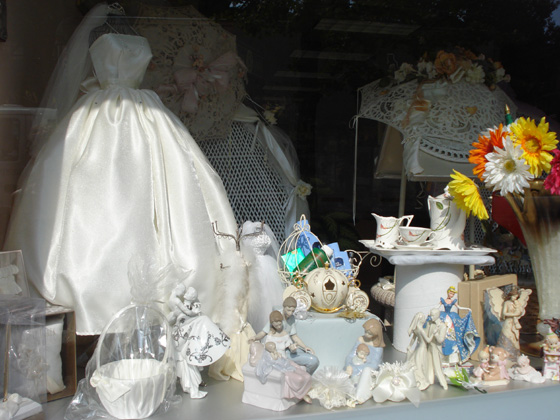
The Precious Moments Monument, an ever-evolving monument to sentimentality and white people.
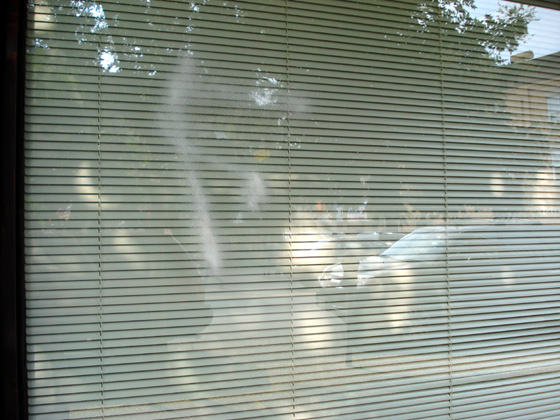
The Venetian Blinds Monument - Who knows what mysteries lurk behind its slatted veil?
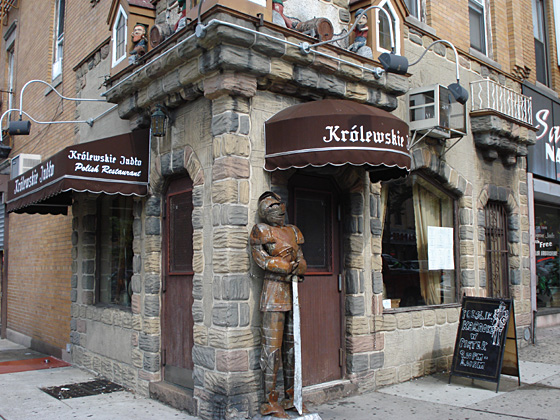
The Polish Restaurant Monument — An important Ridgewood landmark
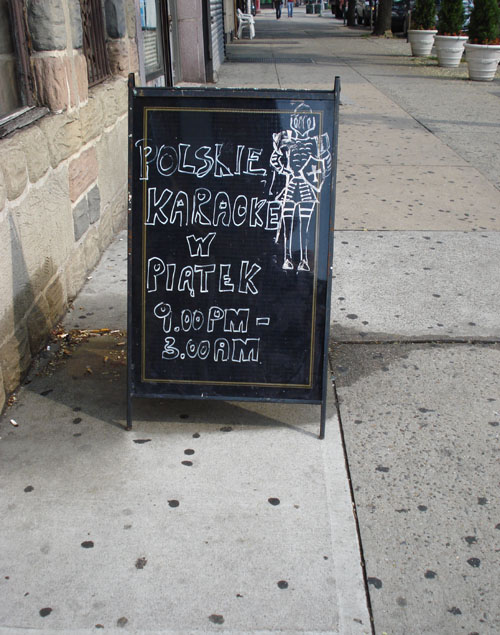
This monument offers Polish Karaoke on weekend nights from 9 PM to 3 AM. I have peered in the window, but have not yet gathered the courage to investigate the late-night scene.
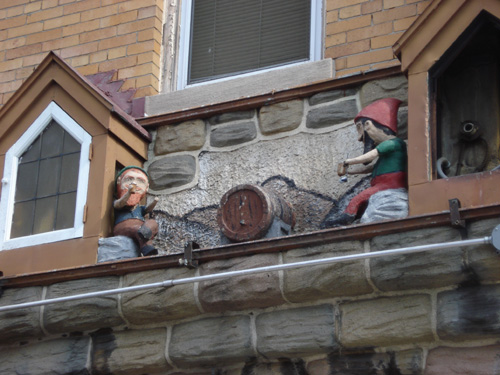
Polish Restaurant Monument detail: Two elfin men with a keg, enjoying a beer together -- a monument within a monument.
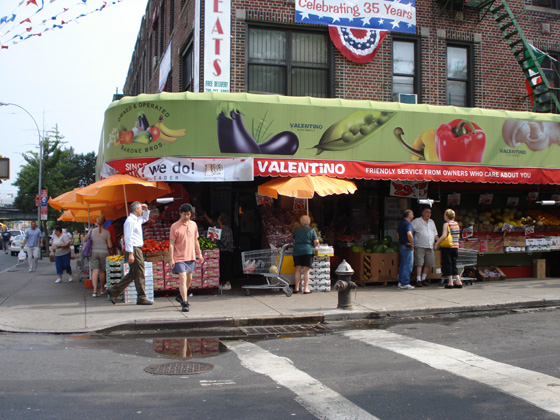
Valentino's Market, another Ridgewood landmark. Often times oldies music will be blaring from Valentino's, providing a nostalgic soundtrack for customers' fruit and vegetable shopping.
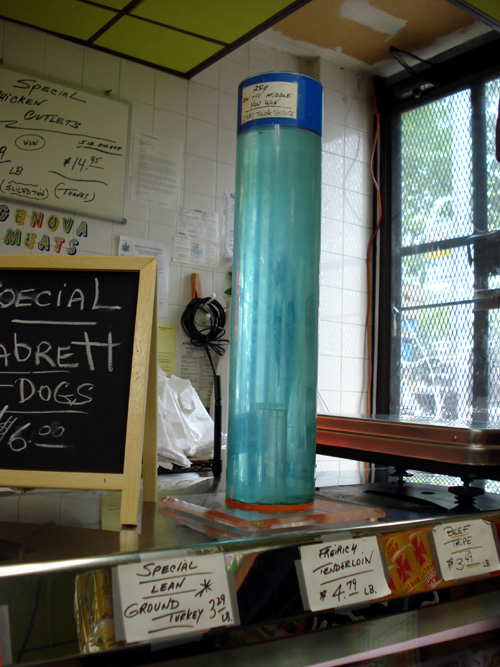
A monument hidden in the butcher shop at the back of Valentino's Grocery — the Meat Monument. The label at the top reads, “25 cents in the middle you win 2 lbs. thick sausage”. I find myself wondering whether or not I would be pleased to win 2 lbs. of thick sausage”¦
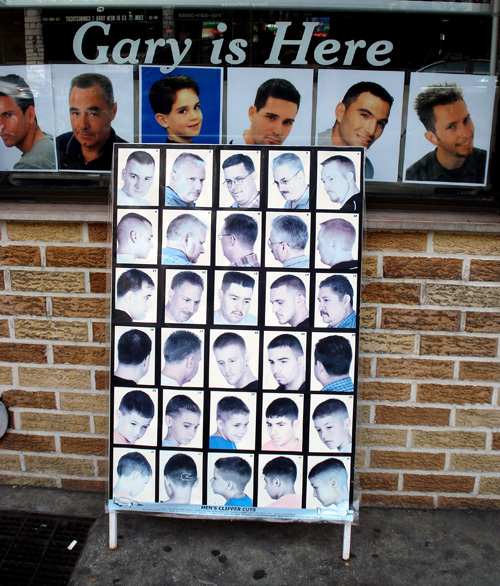
Men's Hair Styles Monument Part 1 (Gary is Here). All of the men and boys who are modeling for the haircut display seem rather sullen. My favorite style is the wrap-around Nike swoosh on the boy in the bottom row.
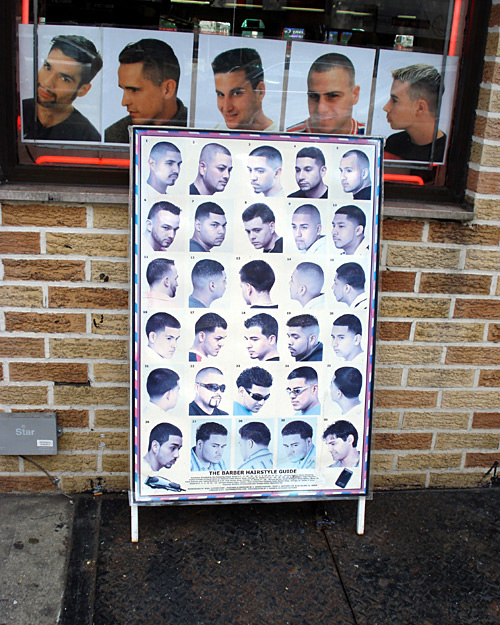
Men's Hair Styles Monument Part 2
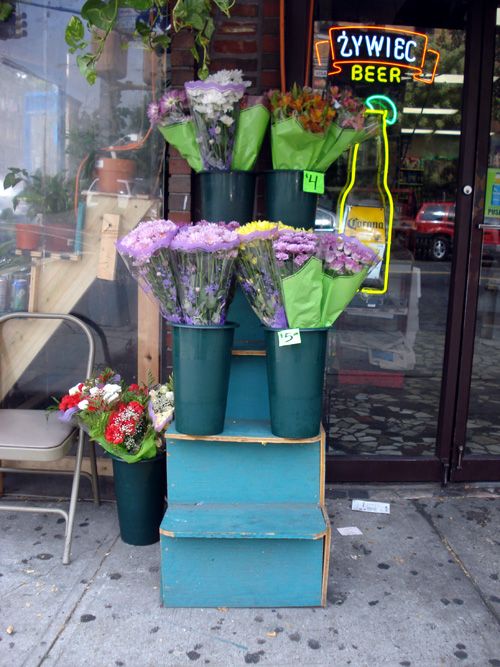
The Real Flowers Monument
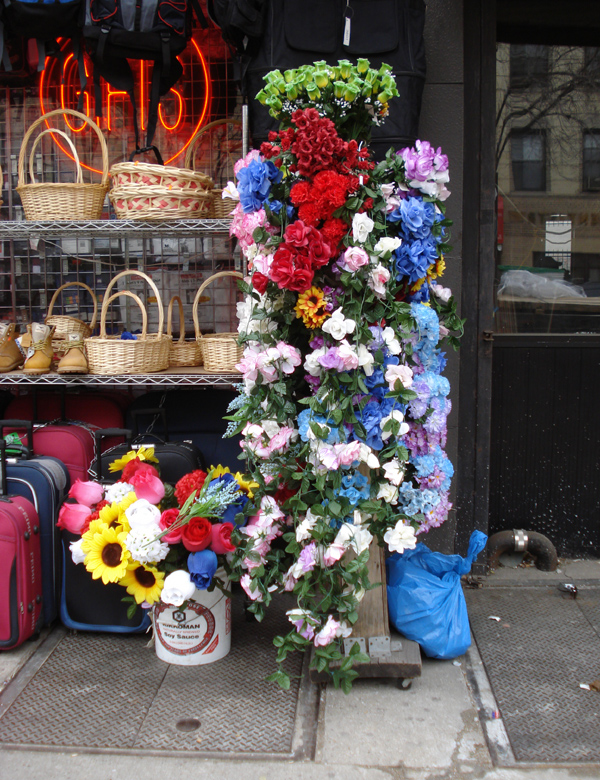
The Artificial Flowers Moveable Monument (Note the wheels on the bottom of the column)
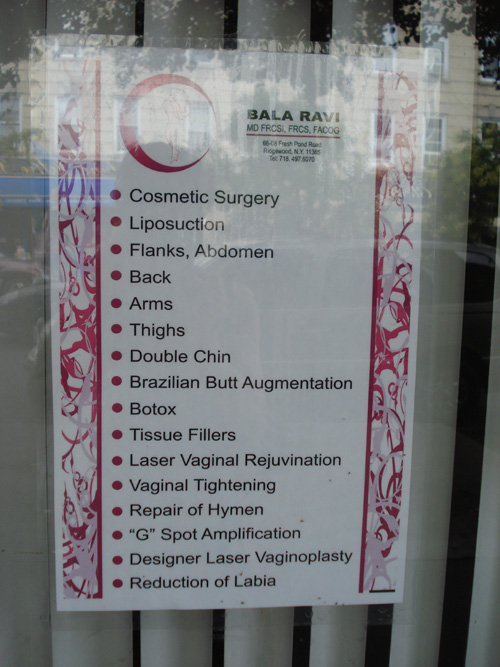
The Make-Over Monument, Ridgewood's most disturbing marker.
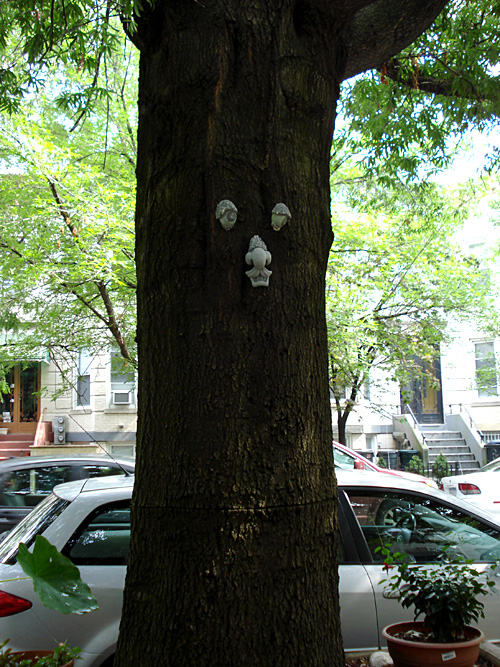
The Magic Tree Monument
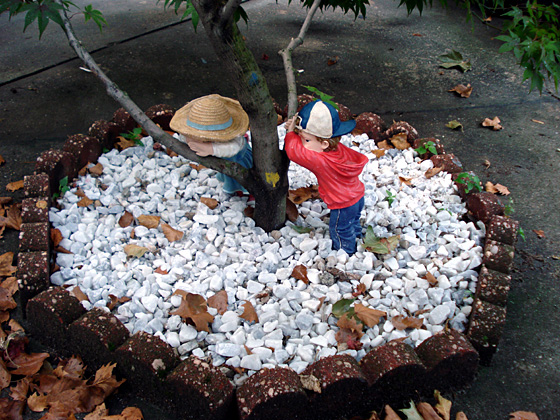
The “Crying or Hiding?” Monument
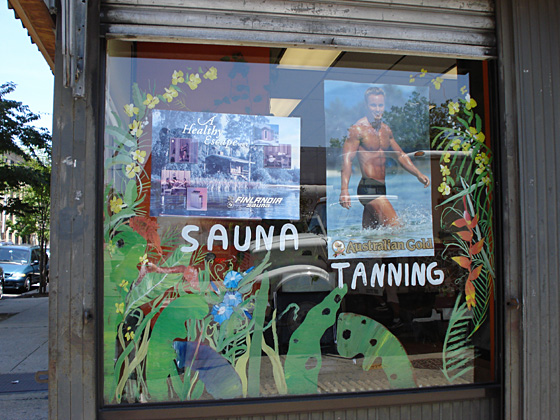
Fantasy Island Façade Monument. I really like the window paintings of tropical foliage.
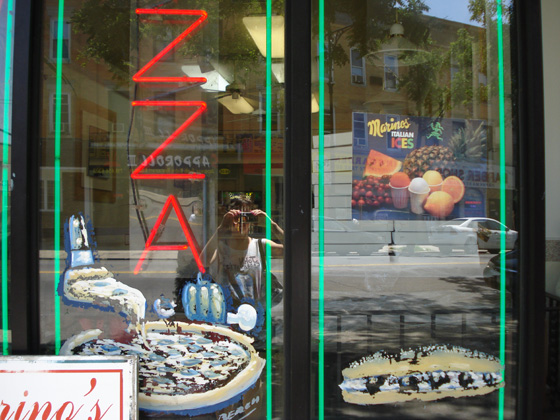
ZZA Façade Monument, with expressionistic pizza and meatball sandwich paintings in a bluish palette.
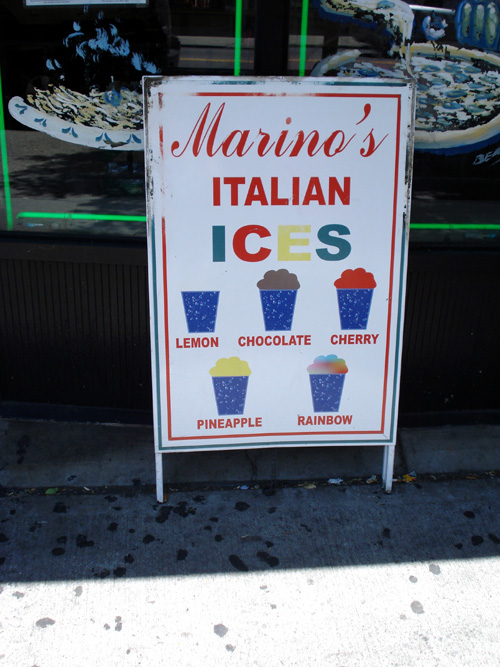
The Italian Ices Monument (Note the prismatic “rainbow” flavor and the nearly invisible lemon flavor)
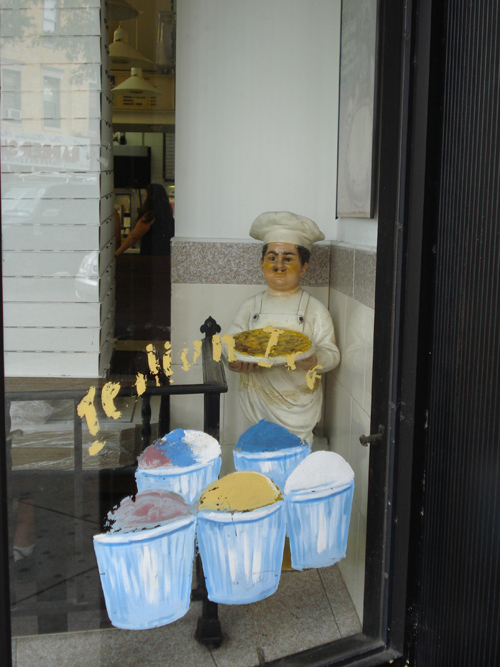
The Pizzamaker Monument -- this statue pays homage to the pizzamakers of the world.
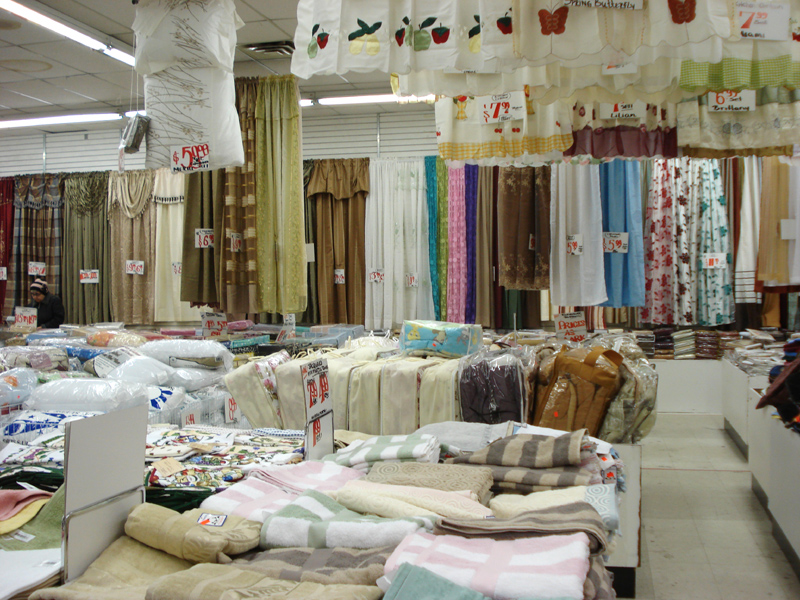
The Great Wall of Curtains
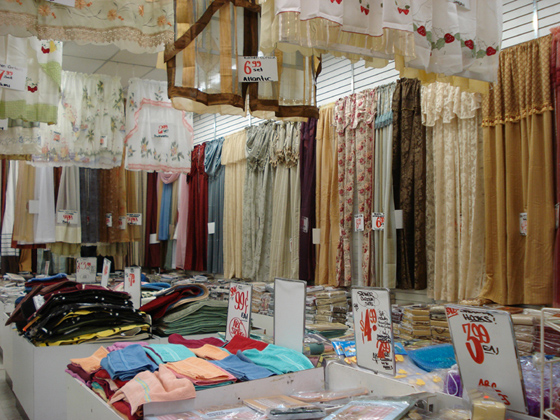
The Great Wall of Curtains Cont'd
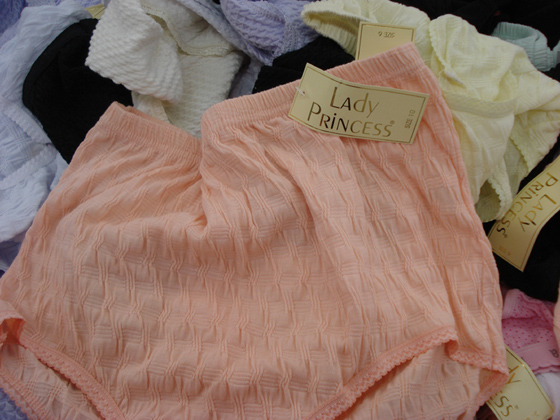
The Great Panties Pile Monument
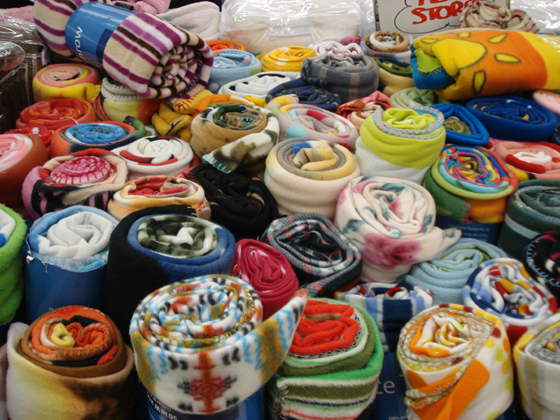
Field of Fleeces Monument

The Wiggle Wear Monument
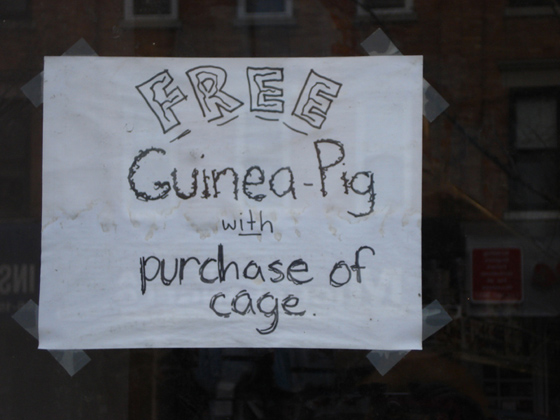
The Free Pet Monument (with purchase of cage)
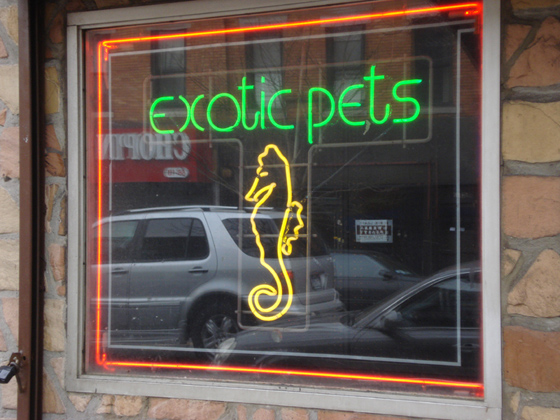
The Neon Seahorse Monument
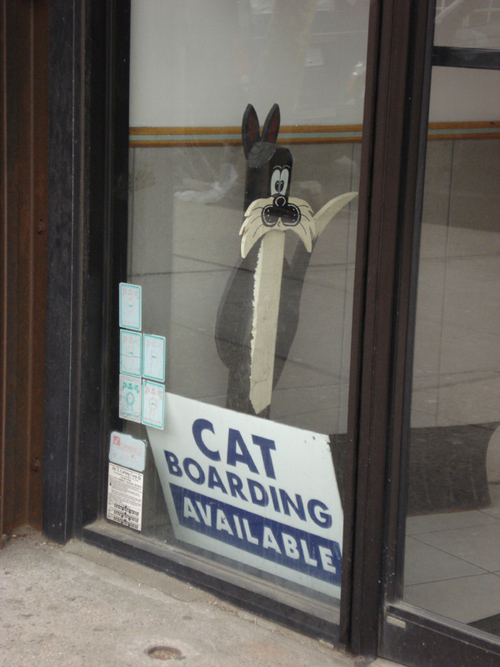
The Wooden Cat Monument
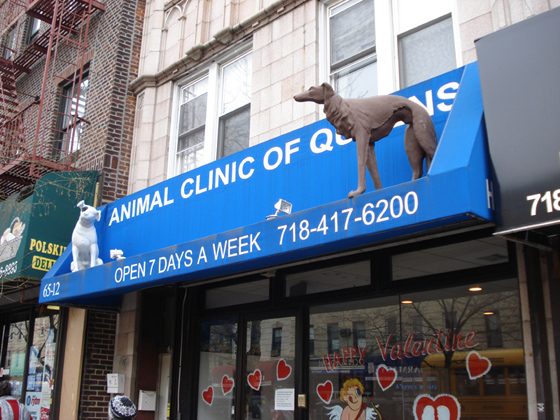
The Animal Clinic of Queens Monuments
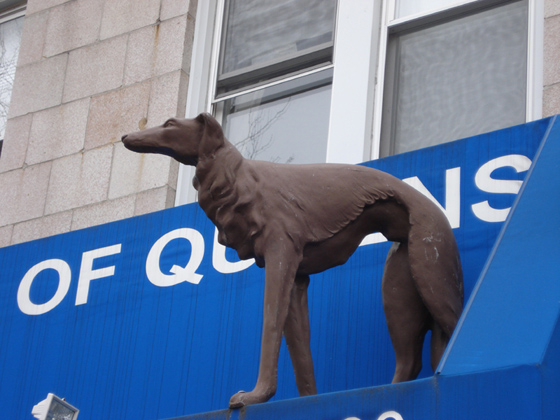
The Animal Clinic Monument — Detail
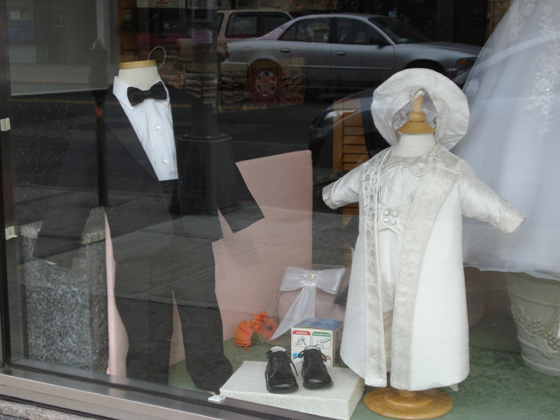
The Miniature Marriage Monument
Oedipus Complex Monument
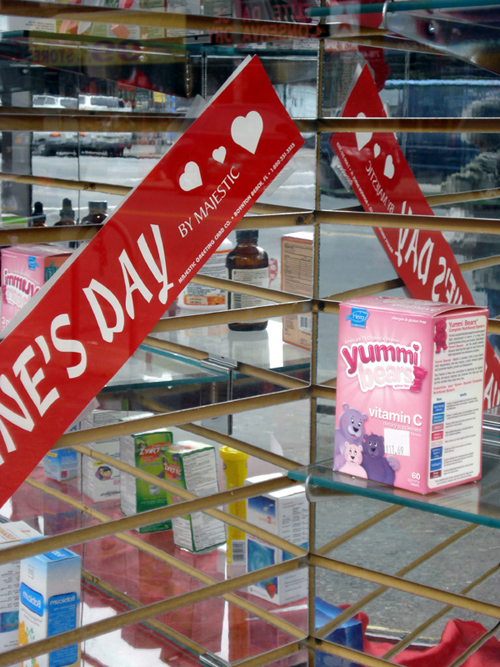
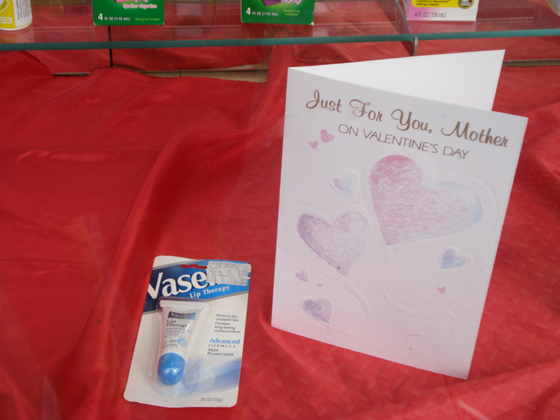
Valentine's-Vitamin-Mirror Displacement Monument
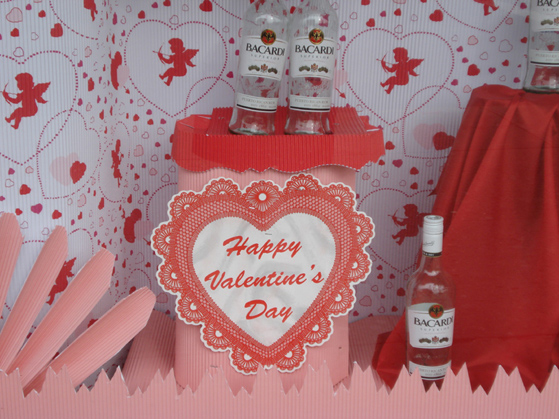
The Punch-Drunk Love Monument
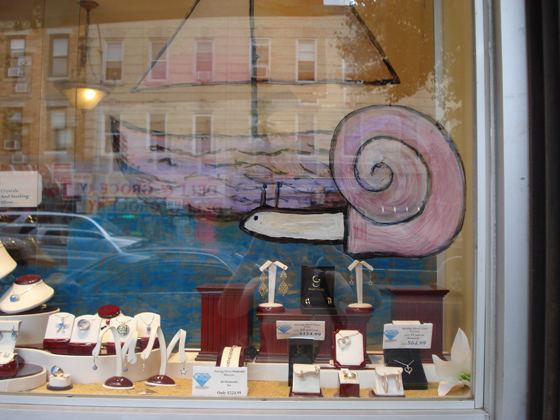
The Buried Treasures Monument
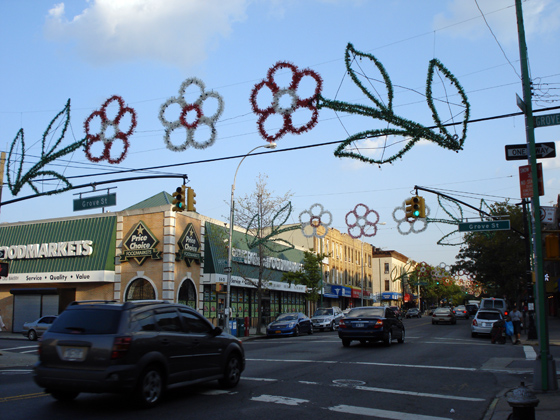
Ridgewood's newest monument! The Grand Flower Thoroughfare


{ 18 comments }
this is great. i’m also interested in that line between participant and observer and i love your exploration. i see my neighborhood of harlem in a similar way — i struggle to just ‘live’ here, but how can i just go about my business when there are places named things like “beautiful beauty salon” just begging to have their picture taken? PS: precious moments monument to whiteness? the absolute best. PPS: i am also interested in how we make monuments to whiteness inside of our own lives… well, that’s my blog;)
this is great. i’m also interested in that line between participant and observer and i love your exploration. i see my neighborhood of harlem in a similar way — i struggle to just ‘live’ here, but how can i just go about my business when there are places named things like “beautiful beauty salon” just begging to have their picture taken? PS: precious moments monument to whiteness? the absolute best. PPS: i am also interested in how we make monuments to whiteness inside of our own lives… well, that’s my blog;)
this is great. i’m also interested in that line between participant and observer and i love your exploration. i see my neighborhood of harlem in a similar way — i struggle to just ‘live’ here, but how can i just go about my business when there are places named things like “beautiful beauty salon” just begging to have their picture taken? PS: precious moments monument to whiteness? the absolute best. PPS: i am also interested in how we make monuments to whiteness inside of our own lives… well, that’s my blog;)
nice- must visit soon!
nice- must visit soon!
nice- must visit soon!
I’ve lived here about a year, and I think you’ve got a good sampling of the many monuments in this town. I would add the Karl Ehmer Pig mural and the Tischlein Deck Dich guy, on display on the exterior of the Morscher’s Pork Store. (http://www.flickr.com/photos/eatingintranslation/4428214629/). Also: I worry that the Grand Flower Thoroughfare might be over now that the street fair ended.
I’ve lived here about a year, and I think you’ve got a good sampling of the many monuments in this town. I would add the Karl Ehmer Pig mural and the Tischlein Deck Dich guy, on display on the exterior of the Morscher’s Pork Store. (http://www.flickr.com/photos/eatingintranslation/4428214629/). Also: I worry that the Grand Flower Thoroughfare might be over now that the street fair ended.
i love the Smithson ref. and the punch drunk love/ happy v day is the best thing ever.
i feel his photo and sculpture is not as well represented, but then again i am from utah. i recently bought MOCA book on Smithson and one of the photos was miss labeled as a new jersey cemetery, even though it is a place called Gilgal gardens in slc and was once a secret but has been a dedicated site for ten years http://www.artistsofutah.org/15bytes/05july/page2.html
documentation is probably the most important part about history even if it is dull and normal.
i love the Smithson ref. and the punch drunk love/ happy v day is the best thing ever.
i feel his photo and sculpture is not as well represented, but then again i am from utah. i recently bought MOCA book on Smithson and one of the photos was miss labeled as a new jersey cemetery, even though it is a place called Gilgal gardens in slc and was once a secret but has been a dedicated site for ten years http://www.artistsofutah.org/15bytes/05july/page2.html
documentation is probably the most important part about history even if it is dull and normal.
i love the Smithson ref. and the punch drunk love/ happy v day is the best thing ever.
i feel his photo and sculpture is not as well represented, but then again i am from utah. i recently bought MOCA book on Smithson and one of the photos was miss labeled as a new jersey cemetery, even though it is a place called Gilgal gardens in slc and was once a secret but has been a dedicated site for ten years http://www.artistsofutah.org/15bytes/05july/page2.html
documentation is probably the most important part about history even if it is dull and normal.
I couldn’t stop laughing! I really got the feeling that I was taking a touristy tour of the many famous monuments of Ridgewood, but without bombardment of verbiage from the tour guide. I also learned a new word: vaginoplasty, and yes, it is definitely the most disturbing monument.
I couldn’t stop laughing! I really got the feeling that I was taking a touristy tour of the many famous monuments of Ridgewood, but without bombardment of verbiage from the tour guide. I also learned a new word: vaginoplasty, and yes, it is definitely the most disturbing monument.
the wood!! this former resident enjoyed the essay, perhaps glendale could be next?
the wood!! this former resident enjoyed the essay, perhaps glendale could be next?
I was born in Ridgewood and lived there during my time at SVA. It’s nice to see more artists occupying this area. I’m starting up a project space on Palmetto St. (off Forest Ave) with another artist who lives in the area. Hopefully we will hear more about Ridgewood in the future.
The elves on the Polish Restaurant aren’t Polish they are German. That area was all German once.
http://pinterest.com/jackwilliams1/1990-s-german-culture-in-glendale-ridgewood-queens/
Comments on this entry are closed.